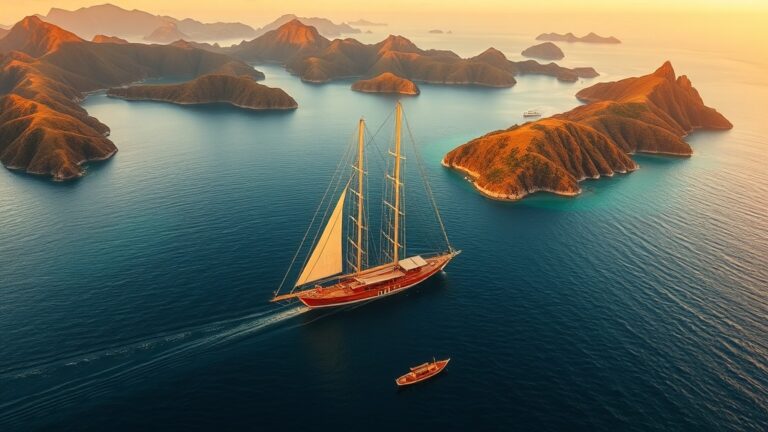
Implementing Environmental Initiatives in Yachting Operations
Our commitment to environmental stewardship in yachting involves rigorous implementation of sustainable practices, focusing on CO² reduction, plastic elimination, and the adoption of advanced green technologies. We ensure our operations align with international marine conservation targets, providing an ecologically responsible luxury experience.
The Imperative for Environmental Stewardship in Yachting
The yachting sector faces increasing scrutiny regarding its environmental footprint. As operators, our responsibility extends beyond delivering exceptional experiences; it encompasses safeguarding the marine ecosystems we navigate. The industry’s proactive shift towards sustainability is driven by a combination of regulatory pressures, consumer demand, and a genuine recognition of the need to preserve our oceans. This commitment is not merely about compliance but about integrating environmental best practices into every facet of our operations, from vessel design and propulsion to waste management and guest engagement.
Reducing Carbon Footprint: A Core Objective
A primary environmental goal for the yachting industry is the substantial reduction of carbon dioxide (CO²) emissions. The International Marine Organisation (IMO) has mandated a 50% reduction in CO² emissions by 2050, with critical acceleration phases already underway. This target necessitates a strategic overhaul of traditional yachting practices. For us, this means prioritising vessels equipped with advanced propulsion systems, such as hybrid-electric or fully electric options. These technologies significantly decrease reliance on fossil fuels, thereby lowering emissions during transit and at anchor. Furthermore, optimising routes and reducing cruising speeds contribute to fuel efficiency, directly impacting our carbon output.
Eliminating Plastic Leakage from Operations
The global issue of plastic pollution in oceans is dire, with an estimated eight million tonnes of plastic entering marine environments annually. These plastics persist for hundreds of years, causing severe damage to marine life and ecosystems. Our environmental initiatives place a strong emphasis on the complete elimination of plastic leakage from our yachting operations. A key strategy involves banning single-use plastic bottles onboard all vessels. We instead provide reusable alternatives and utilise advanced water filtration systems, such as desalination units, to offer clean, potable water for guests and crew. This policy extends to all provisions and supplies, favouring suppliers who use minimal or no plastic packaging.
Adopting Renewable Energy and Circular Supply Chains
The future of sustainable yachting is intrinsically linked to renewable energy sources and the development of circular supply chains. Leading shipyards are setting ambitious targets; for instance, Dutch shipyard Oceanco aims for 100% renewable energy for electricity and 100% waste-free, circular supply chains by 2030. Oceanco’s Alblasserdam facility already generates 250,000 kWh/year of renewable energy, nearly covering its entire electrical demand. This demonstrates the viability of large-scale renewable integration. For our operations, this translates into selecting yachts equipped with high-efficiency solar panels to power onboard electronics, lighting, and luxury amenities. The aim is to minimise reliance on auxiliary generators, thereby reducing fuel consumption and noise pollution.
Technological Innovations for Sustainable Yachting
Technological advancements are pivotal in achieving our environmental goals. The Wind Helix Yacht 2027 concept exemplifies the direction the industry is taking. This concept features a hybrid-electric propulsion system that integrates wind power, ensuring zero-pollution exhausts. Strategically placed high-efficiency solar panels maximise sunlight absorption, powering a range of onboard systems. Advanced desalination systems, powered by renewable energy, convert seawater into drinkable water, reducing the need for bottled water. Moreover, the shift to hybrid and solar power significantly reduces noise, ensuring peaceful anchorages and minimising disturbance to marine fauna.
| Environmental Initiative | Key Action | Target Impact |
|---|---|---|
| CO² Reduction | Hybrid/Electric Propulsion, Route Optimisation | Reduced Greenhouse Gas Emissions |
| Plastic Elimination | Single-Use Plastic Ban, Desalination Systems | Zero Plastic Leakage |
| Renewable Energy | Solar Panels, Shore Power Integration | Reduced Fossil Fuel Dependency |
| Waste Management | Recycling, Composting, Circular Supply Chains | Minimised Landfill Waste |
| Water Conservation | Efficient Fixtures, Greywater Treatment | Reduced Freshwater Consumption |
Engagement and Education for a Greener Future
Our environmental initiatives extend beyond technical and operational changes to include active engagement and education. We believe that fostering environmental awareness among our guests and crew is crucial for long-term sustainability. This involves providing information about the marine ecosystems we visit, the impact of human activities, and the steps taken onboard to minimise our footprint. Educational programs, similar to those planned for The Ocean Race’s 2027 and 2030 editions, can inspire a deeper appreciation for ocean conservation. By involving everyone in our sustainability journey, we aim to create a community of environmentally conscious individuals.
2027 Note: As the yachting industry progresses towards its 2025–2030 sustainability targets, we anticipate a broader adoption of the advanced technologies and operational protocols outlined here. Our focus remains on integrating these innovations to ensure our services are at the forefront of environmental responsibility.
FAQ
What specific CO² reduction targets are the yachting industry aiming for?
The International Marine Organisation mandates a 50% reduction in CO² emissions by 2050, with significant acceleration phases already in progress to drive immediate changes within the industry.
How is the yachting industry addressing plastic pollution in the oceans?
The industry is focusing on eliminating plastic leakage by banning single-use plastic bottles on yachts, implementing advanced water filtration and desalination systems, and sourcing provisions with minimal plastic packaging.
What renewable energy technologies are being adopted by luxury yachts?
Luxury yachts are increasingly adopting hybrid-electric propulsion systems, high-efficiency solar panels for onboard power, and integrating shore power connections to reduce reliance on fossil fuels and minimise emissions at anchor.