Blog

  • what marine species you can expect to see

    Exploring Komodo National Park offers a rich marine biodiversity. Expect to see vibrant coral reefs, diverse fish species, and iconic marine animals. Key highlights include:

    • Over 1,000 species of fish
    • Endangered species such as manta rays
    • Unique underwater landscapes

    Introduction to Komodo Marine Life

    The Komodo National Park, located in Indonesia, is a UNESCO World Heritage Site known for its extensive biodiversity. It comprises more than 1,800 square kilometers of land and sea, making it a prime destination for marine enthusiasts. The park is home to various marine species, including those that are endemic to the region, which makes each dive or snorkeling excursion a unique experience.

    Key Marine Species to Expect

    When exploring the waters around Komodo, you can expect to encounter a wide variety of marine life. Here’s a detailed look at some of the prominent species you might see:

    Coral Reefs

    The coral reefs in Komodo National Park are among the most diverse in the world. Over 250 species of corals can be found here, providing habitat and shelter for numerous marine animals. These reefs are critical to the ecosystem, supporting both fish and invertebrates.

    Fish Species

    The waters of Komodo are teeming with marine life, boasting more than 1,000 species of fish. Notable fish you might encounter include:

    • Clownfish
    • Parrotfish
    • Napoleon Wrasse
    • Giant Trevally
    • Butterflyfish

    These species vary in size and color, contributing to the vibrant underwater scenery.

    Mollusks and Invertebrates

    Mollusks, such as octopuses and cuttlefish, are frequently observed in the waters around Komodo. The diversity of invertebrates, including sea slugs and sponges, adds to the rich mosaic of life. Look for:

    • Blue-ringed octopus
    • Sea stars
    • Crown-of-thorns starfish
    • Sea cucumbers

    Sharks and Rays

    The waters around Komodo are also home to several species of sharks and rays. You may spot:

    • Blacktip reef sharks
    • Whitetip reef sharks
    • Leopard sharks
    • Manta rays

    Manta rays, in particular, are a highlight for many visitors. These gentle giants can often be seen gliding gracefully through the water.

    Marine Mammals

    While less commonly seen, marine mammals occasionally visit the area. Keep an eye out for:

    • Dolphins
    • Whales (seasonally)

    Dolphins often travel in pods and can be spotted during boat trips, while certain whale species may migrate through the waters around Komodo at specific times of the year.

    Seasonal Highlights

    The best time to explore the marine life in Komodo National Park depends on the species you wish to see. Here’s a breakdown of seasonal highlights:

    Best Time for Diving and Snorkeling

    The dry season, which runs from April to December, is generally considered the best time for diving and snorkeling. During this period, visibility is at its peak, often reaching up to 30 meters, making it easier to spot marine life.

    Marine Life Activity

    – **Manta Rays**: Most commonly seen from November to April.
    – **Whales**: Migratory patterns are observed from June to September.
    – **Coral Spawning**: Typically occurs in September and October, providing a unique opportunity to witness this spectacular natural phenomenon.

    Exploring the Best Dive Sites

    To fully experience the rich marine biodiversity, visiting specific dive sites is essential. Some of the most popular dive sites in Komodo National Park include:

    Castle Rock

    This site is famous for its strong currents, attracting large pelagic species like sharks and barracudas.

    Crystal Rock

    Known for its vibrant coral gardens and diverse marine life, this site is ideal for both divers and snorkelers.

    Manta Point

    As the name suggests, this site is a prime location for spotting manta rays, especially during the cleaning station rituals.

    Current City

    A site renowned for its strong currents, it offers encounters with large schools of fish and diverse marine species.

    Travel Tips for Marine Encounters

    To make the most of your marine adventures in Komodo National Park, consider the following tips:

    • Choose the Right Operator: Select a reputable tour operator that prioritizes safety and environmental sustainability. Check out see the details for detailed options.
    • Use Eco-friendly Gear: Opt for reef-safe sunscreen and avoid single-use plastics to minimize your impact on the marine environment.
    • Respect Wildlife: Keep a safe distance from all marine life and refrain from touching or disturbing the animals.
    • Stay Hydrated: Drink plenty of water during your expeditions to stay energized and enjoy your adventures fully.

    Legal Status and Conservation Efforts

    The Komodo National Park is protected under Indonesian law, safeguarding its unique marine and terrestrial ecosystems. Conservation efforts are ongoing, focusing on sustainable tourism practices and protecting endangered species. Visitors are encouraged to follow guidelines and regulations to ensure the preservation of this remarkable habitat for future generations.

    Encountering Marine Life at Komodo National Park

    Komodo National Park is a haven for marine enthusiasts, where you can dive into waters teeming with vibrant coral reefs and encounter species like majestic manta rays gliding through the currents. Among the reefs, you’ll find an array of colorful fish and intriguing invertebrates, offering endless opportunities for underwater exploration and discovery. For those planning their visit, detailed guidance is available through resources such as the komodo Tour Operator Pricing & Cost Guide and our book Komodo Tour Operator | Komodotouroperator guide.

  • top dive sites and conditions

    Komodo National Park offers some of the best diving spots in the world. Key locations include:

    – **Manta Point**: Ideal for seeing manta rays, with visibility up to 30 meters.
    – **Castle Rock**: Rich in marine life, featuring strong currents and diverse corals.
    – **Crystal Rock**: Known for vibrant coral gardens and pelagic fish.

    Komodo National Park, located in Indonesia, is a premier destination for diving enthusiasts. The park is home to a variety of marine ecosystems, making it an ideal spot for both novice and experienced divers. In this guide, we will explore the top dive sites within the park, the best conditions for diving, and practical information for planning your dive trips.

    Top Dive Sites in Komodo National Park

    The following dive sites are among the most popular for divers visiting the Komodo region:

    Manta Point

    Manta Point, located near Nusa Penida, is famous for its large population of manta rays. Divers can expect to see these majestic creatures gliding gracefully through the water. The site features:

    • Depth: 12 to 20 meters
    • Visibility: Up to 30 meters
    • Current: Mild to moderate

    The best time to dive here is from April to November, when the water temperatures range from 24°C to 28°C.

    Castle Rock

    Castle Rock is known for its vibrant marine life and strong currents that attract a variety of species. This dive site is ideal for experienced divers looking for a thrilling experience. Key details include:

    • Depth: 15 to 40 meters
    • Visibility: 20 to 30 meters
    • Current: Strong

    Diving is best from April to December when the conditions are more stable, and you can see schools of fish, sharks, and occasionally, dolphins.

    Crystal Rock

    Crystal Rock features a striking underwater landscape filled with colorful corals and a diverse range of marine species. Highlights of this site include:

    • Depth: 10 to 30 meters
    • Visibility: 15 to 25 meters
    • Current: Moderate

    The ideal diving months are from April to November, when visibility is at its best and marine life is abundant.

    Komodo Island Dive Sites

    In addition to the aforementioned sites, there are numerous dive spots around Komodo Island that offer unique experiences:

    Siaba Besar

    Siaba Besar is renowned for its macro life, making it a favorite for underwater photographers. Key points include:

    • Depth: 5 to 25 meters
    • Visibility: 10 to 20 meters
    • Current: Weak

    The best time to visit is from April to November, when you can spot critters like frogfish and nudibranchs.

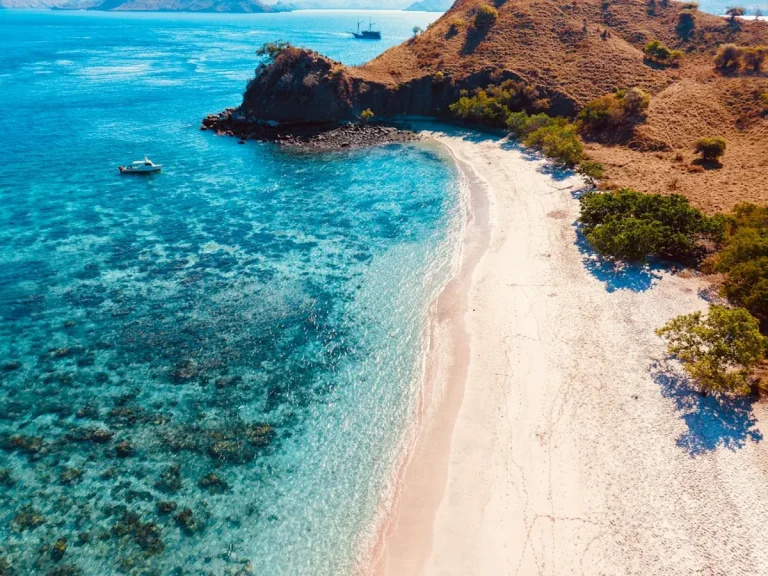
    Pink Beach

    Pink Beach is not just famous for its unique sand but also for its underwater beauty. This site is perfect for both snorkeling and diving. Important details include:

    • Depth: 5 to 20 meters
    • Visibility: 15 to 20 meters
    • Current: Minimal

    The best time to dive here is year-round, especially from April to November for the best visibility.

    Best Conditions for Diving

    Understanding the seasonal conditions is crucial for planning your dive trip to Komodo National Park. Here are the key factors to consider:

    Water Temperature

    The water temperature in the Komodo region typically ranges from 24°C to 30°C throughout the year. The warmest months are typically from December to February, while the cooler months are from June to August.

    Visibility

    Visibility can vary quite a bit depending on the time of year and location. Generally, the best visibility occurs between April and November, with conditions often exceeding 30 meters in some areas. The rainy season (December to March) may lead to reduced visibility in certain spots.

    Currents

    Currents can vary significantly across dive sites. Some locations, like Castle Rock, are known for their strong currents, making them suitable only for experienced divers. Sites like Siaba Besar usually have weaker currents, making them accessible for all skill levels.

    Practical Information for Divers

    Planning a diving trip to Komodo National Park requires some preparation. Here are some essential tips:

    Diving Operators

    Choosing a reputable diving operator is crucial. Look for operators that offer experienced guides, safety equipment, and well-maintained vessels. Many operators provide packages that include meals, gear rental, and accommodation.

    Pricing

    Prices for diving trips can vary depending on the operator and the type of experience. Expect to pay around:

    • Day trip: $100 to $200 per person
    • Liveaboard: $300 to $600 per person per night

    Keep in mind that these prices may fluctuate based on the season and specific package offerings.

    Safety Considerations

    Always prioritize safety while diving. Ensure you have the appropriate certifications and experience for the dive sites you plan to visit. It’s also advisable to have travel insurance that covers diving activities.

    For more detailed information on travel itineraries and dive packages, visit our our komodo Tour Operator Pricing & Cost Guide guide page.

    Maximize Your Dive Experience at Komodo National Park

    When diving in Komodo National Park, it’s crucial to know the best times for specific sites. For instance, if you’re aiming to see manta rays, head to Manta Point between December and February. This site offers a thrilling view of these magnificent creatures gliding effortlessly through the water. Divers of all skill levels will find something to suit their abilities, from gentle drift dives to more challenging currents. For additional details, explore Komodo Tour Operator or see current rates.

  • best snorkeling locations in the park

    The best snorkeling locations in Komodo National Park offer vibrant marine life, clear waters, and diverse coral reefs. Key spots include:

    – **Manta Point**: Ideal for manta ray encounters.
    – **Pink Beach**: Known for its unique sands and rich marine biodiversity.
    – **Taka Makassar**: Famous for its colorful coral gardens.

    Overview of Komodo National Park Snorkeling

    Komodo National Park, located in Indonesia, is renowned for its rich marine biodiversity and striking underwater landscapes. The park spans approximately 1,733 square kilometers and includes many islands, each offering unique snorkeling experiences. The waters are home to over 1,000 species of fish, more than 260 species of coral, and various marine animals, including turtles, sharks, and manta rays. The best time for snorkeling is typically from April to November, during the dry season when visibility is at its peak.

    Top Komodo Snorkeling Spots

    Manta Point

    Manta Point is one of the most popular snorkeling locations in Komodo National Park. As the name suggests, this spot is famous for manta rays. Here, snorkelers can often witness these gentle giants gliding gracefully through the water. The best time for sightings is during the dry season, particularly from May to November, when the water is warm and clear.

    • Depth: 5 to 15 meters
    • Visibility: 15 to 30 meters
    • Marine Life: Manta rays, reef sharks, and various fish species

    Pink Beach

    Pink Beach, located on Komodo Island, offers a unique snorkeling experience with its pink-hued sands, resulting from the mixing of white sand and red coral fragments. The underwater ecosystem here is vibrant, with an abundance of marine life, making it a perfect spot for snorkelers of all levels. The best months to visit Pink Beach are from April to November, coinciding with the dry season.

    • Depth: 1 to 10 meters
    • Visibility: 10 to 25 meters
    • Marine Life: Sea turtles, clownfish, and colorful coral reefs

    Taka Makassar

    Taka Makassar is a small sandbank surrounded by crystal-clear waters, making it a fantastic location for snorkeling. The area is known for its rich coral gardens and diverse marine life, including schools of fish and sea turtles. Snorkeling here is best during the dry season, particularly from May to November, when the waters are calm and visibility is excellent.

    • Depth: 1 to 5 meters
    • Visibility: 15 to 30 meters
    • Marine Life: Various fish species, sea turtles, and colorful corals

    Kanawa Island

    Kanawa Island offers a serene snorkeling experience with its clear waters and vibrant coral reefs. It’s ideal for beginners and families, providing an easy entry into the water and shallow depths. The best time to snorkel here is during the dry season, from April to November.

    • Depth: 1 to 8 meters
    • Visibility: 10 to 25 meters
    • Marine Life: Clownfish, parrotfish, and anemones

    Gili Lawa Laut

    Gili Lawa Laut is known for its striking underwater landscapes, with steep drop-offs and vibrant coral gardens. This spot is less crowded, making it ideal for those seeking a more tranquil snorkeling experience. The best time to visit is during the dry season from April to November.

    • Depth: 5 to 25 meters
    • Visibility: 15 to 30 meters
    • Marine Life: Large schools of fish, reef sharks, and diverse corals

    Seraya Island

    Seraya Island is another excellent spot for snorkeling, offering a blend of shallow and deep waters filled with marine life. The surroundings are peaceful, and visitors can often see turtles and other marine creatures. The best time to snorkel at Seraya Island is during the dry season, from April to November.

    • Depth: 1 to 10 meters
    • Visibility: 10 to 20 meters
    • Marine Life: Turtles, various fish species, and beautiful coral formations

    Snorkeling Logistics and Considerations

    When planning your snorkeling adventure in Komodo National Park, it’s essential to consider several factors:

    • Equipment: Most tour operators provide snorkeling gear, but you can bring your own for comfort.
    • Safety: Always snorkel with a partner and be aware of currents and weather conditions.
    • Guided Tours: Consider joining a guided snorkeling tour for safety and expert knowledge about the marine ecosystem.

    How to Get There

    The primary gateway to Komodo National Park is Labuan Bajo, a small town on Flores Island. Several direct flights connect Labuan Bajo to major cities in Indonesia, including Bali and Lombok. From Labuan Bajo, various tour operators offer snorkeling trips, ranging from day tours to multi-day liveaboard experiences. Prices for snorkeling tours can vary:

    • Day Tours: Approximately $50 to $150 per person
    • Liveaboard Trips: Ranging from $300 to $1,500 for multi-day excursions

    For the best experience, it is advisable to book in advance, especially during peak season from July to September.

    Explore Snorkeling Spots for All Skill Levels in Komodo National Park

    Komodo National Park boasts snorkeling sites that cater to both beginners and seasoned snorkelers, offering vibrant marine life and breathtaking underwater scenery. To organize your adventure in these stunning waters, check availability with our knowledgeable team at Komodo Tour Operator.

    For detailed planning, review our full pricing guide or book Komodo Tour Operator | Komodotouroperator.

  • when and how to see manta rays

    Manta rays can be seen year-round at Manta Point in Komodo National Park, with peak viewing from April to December. To maximize your chances, consider these tips:

    • Book a guided diving or snorkeling tour.
    • Visit during the early morning or late afternoon.
    • Check local weather and water conditions for optimal visibility.

    Introduction to Manta Rays in Komodo National Park

    Manta rays are among the most majestic marine creatures, known for their graceful swimming and impressive wingspans that can exceed 20 feet. In Komodo National Park, these gentle giants are a highlight for divers and snorkelers alike. Manta Point, one of the prime locations to observe them, attracts visitors year-round, but specific months offer better opportunities for sightings.

    Understanding Manta Point

    Manta Point, located in the southern part of Komodo National Park, is famous for its reliable manta ray sightings. The underwater topography includes cleaning stations where mantas come to have parasites removed by smaller fish, making it an ideal spot for enthusiasts to witness their behavior up close.

    When to See Manta Rays

    Manta rays can be seen throughout the year, but certain months are more favorable due to water temperature and plankton availability. Here’s a breakdown of the best times to visit:

    • April to June: The water is warm, and visibility is excellent, making it one of the best times for manta ray encounters.
    • July to September: These months can also be fruitful, but currents may be stronger; however, sightings remain frequent.
    • October to December: As the rainy season approaches, plankton blooms increase, attracting mantas. This period can yield fantastic encounters.

    How to See Manta Rays

    Seeing manta rays in Komodo National Park often requires some planning and the right approach. Here’s a step-by-step guide to enhance your experience:

    1. Choose the Right Tour Operator

    Selecting a reputable tour operator is crucial for a successful manta ray experience. Look for companies that specialize in marine wildlife tours and have knowledgeable guides who understand manta behavior. At Komodo Tour Operator, we offer various packages, from luxury liveaboards to intimate diving trips, ensuring you find the right fit for your adventure.

    2. Opt for Early Morning or Late Afternoon Trips

    Manta rays are more active during early morning or late afternoon when the water is cooler and visibility is often better. Scheduling your tour during these times can increase your chances of encountering these magnificent creatures.

    3. Snorkeling vs. Diving

    Both snorkeling and diving provide opportunities to see manta rays, but diving often offers a closer and more immersive experience. If you’re comfortable with scuba gear, consider diving at Manta Point. However, if you’re a novice, many operators provide snorkeling gear and guidance, allowing you to enjoy the underwater world without extensive training.

    4. Respect the Environment

    Manta rays are protected under Indonesian law, and it’s essential to adhere to guidelines that promote their conservation. Avoid touching or chasing the mantas, and maintain a respectful distance to ensure their natural behavior is not disrupted.

    Best Locations for Manta Ray Sightings

    While Manta Point is the most renowned, there are other locations within Komodo National Park where manta rays may be observed:

    • Manta Alley: Known for its strong currents and abundant plankton, this site often attracts mantas.
    • Karang Makassar: A popular diving spot where mantas can be seen gliding gracefully through the water.
    • Pink Beach: While primarily known for its unique sand color, the surrounding waters also offer sightings of mantas.

    Pricing and Packages

    The cost of tours to see manta rays can vary significantly based on the type of experience you choose. Here’s a general overview:

    • Day Tours: Prices typically range from $75 to $150 per person for full-day snorkeling or diving trips that include equipment and lunch.
    • Liveaboard Experiences: For a more immersive experience, liveaboard trips can range from $300 to $1,000+ per person, depending on the duration and luxury level.
    • Private Charters: For groups or families seeking a personalized experience, private charters are available starting around $1,000 for a day trip.

    Travel Considerations

    When planning your trip to see manta rays in Komodo National Park, keep the following in mind:

    • Travel Insurance: Ensure you have adequate travel insurance that covers diving activities and unexpected events.
    • Health Precautions: Stay updated on health guidelines and necessary vaccinations.
    • Transportation: The nearest town, Labuan Bajo, serves as a gateway to Komodo National Park, with regular flights from Bali and Flores.

    Best Time to Visit Komodo National Park for Manta Rays

    To maximize your chance of encountering manta rays, plan your visit to Komodo National Park between December and February. This period is known for calmer seas and increased plankton, attracting the manta rays closer to the surface. For more detailed planning, see Komodo Tour Operator or check availability.

  • what makes Pink Beach special

    Pink Beach, located in Komodo National Park, is renowned for its unique pink sand and vibrant marine life. Key features include:

    • Distinctive pink sand created by crushed red coral and white sand.
    • Rich biodiversity, ideal for snorkeling and diving.
    • Accessible via various tour options from Labuan Bajo.

    Overview of Pink Beach

    Pink Beach is one of the most remarkable destinations within Komodo National Park, offering visitors a unique blend of natural beauty and adventure. This beach is famous for its distinctive pink sand, a rare phenomenon that attracts travelers from around the world. The combination of crushed red coral and white sand creates a striking visual experience, making it a perfect spot for photography, relaxation, and water activities.

    How Pink Beach Got Its Color

    The pink hue of Pink Beach is primarily due to the presence of red coral fragments mixed with white sand. Over time, the waves have eroded the coral, leading to the formation of this unusual sand color. This natural process results in a picturesque landscape that stands out against the turquoise waters of the surrounding ocean.

    Activities at Pink Beach

    Visitors to Pink Beach can engage in several activities that highlight the area’s natural beauty and biodiversity. Some popular activities include:

    • Snorkeling: The waters around Pink Beach are teeming with marine life, making it an ideal spot for snorkeling. Colorful coral reefs and various fish species can be observed just below the surface.
    • Diving: For those looking for a more immersive experience, diving trips are available. Several dive sites near Pink Beach offer opportunities to explore diverse underwater ecosystems.
    • Relaxation: The serene environment makes Pink Beach a perfect place for relaxation. Visitors can enjoy the sun, take leisurely walks along the shore, and soak in the striking views.

    Best Time to Visit Pink Beach

    The best time to visit Pink Beach is during the dry season, which typically runs from April to December. During these months, the weather is generally sunny and dry, providing ideal conditions for outdoor activities. Keep in mind that the peak tourist season occurs from July to August, so if you prefer a quieter experience, consider visiting in the shoulder months of April, May, or September.

    Getting to Pink Beach

    Traveling to Pink Beach is relatively straightforward, with various tour operators offering packages that include transportation from Labuan Bajo, the main gateway to Komodo National Park. Visitors can choose from different vessel options, including luxury liveaboards and intimate day trips. Prices for tours can vary, typically starting from around $75 for a day trip, while liveaboard experiences can range from $300 to $1,200 per person, depending on the duration and amenities provided.

    Wildlife and Marine Life

    Pink Beach is part of the Komodo National Park, which is a UNESCO World Heritage site known for its rich biodiversity. The park is home to the famous Komodo dragon, the largest lizard species on Earth. Visitors may have the opportunity to see these incredible creatures in their natural habitat, particularly on nearby islands like Komodo and Rinca.

    In addition to terrestrial wildlife, the waters surrounding Pink Beach are rich in marine life. The coral reefs host various species of fish, sea turtles, and other marine organisms. Snorkelers and divers will find themselves immersed in a vibrant underwater world, making it an singular experience.

    Accommodations and Dining Options

    While Pink Beach itself does not have accommodations, nearby Labuan Bajo offers a wide range of lodging options, from budget hostels to luxury resorts. Popular choices include:

    • Hotel Bajo: A mid-range hotel with comfortable rooms and easy access to the harbor.
    • Plataran Komodo Beach Resort: A luxury resort offering striking views and high-end amenities.
    • Homestays: For a more local experience, travelers can opt for homestays in Labuan Bajo, providing insight into local life and culture.

    Dining options in Labuan Bajo cater to various tastes and budgets. Fresh seafood is a highlight, with many restaurants offering caught-daily fish dishes. A few notable spots include:

    • Warung Sate: A popular eatery known for its grilled skewers and local flavors.
    • La Cucina: An Italian restaurant offering a range of pasta and pizza dishes.
    • Seafood 99: A local favorite for fresh seafood and relaxed dining.

    Environmental Considerations

    As a protected area, Komodo National Park and Pink Beach are subject to conservation efforts aimed at preserving their unique ecosystems. Visitors are encouraged to follow guidelines to minimize their environmental impact, such as not touching coral or collecting marine life. Responsible tourism practices help ensure that these natural wonders remain intact for future generations.

    Travel Tips for Visiting Pink Beach

    1. **Plan Ahead:** Book your tours in advance, especially during the peak season, to secure your spot and ensure a hassle-free experience.
    2. **Pack Essentials:** Bring snorkeling gear, sunscreen, water, and snacks to enjoy while at the beach.
    3. **Respect Nature:** Follow park guidelines to protect the environment and wildlife.
    4. **Stay Hydrated:** The tropical climate can be hot, so drink plenty of water throughout the day.

    Exploring Pink Beach: What to Expect

    Pink Beach captivates visitors with its rare pink-hued sands, a result of crushed coral mixing with white sand. This unique feature is complemented by the rich marine biodiversity, making it a prime spot for snorkeling and diving enthusiasts. Engaging a knowledgeable guide from Komodo Tour Operator can enhance your visit, offering insights into the local ecosystem and ensuring a seamless adventure. For those interested in logistics, you can see current rates or check availability to plan your trip.

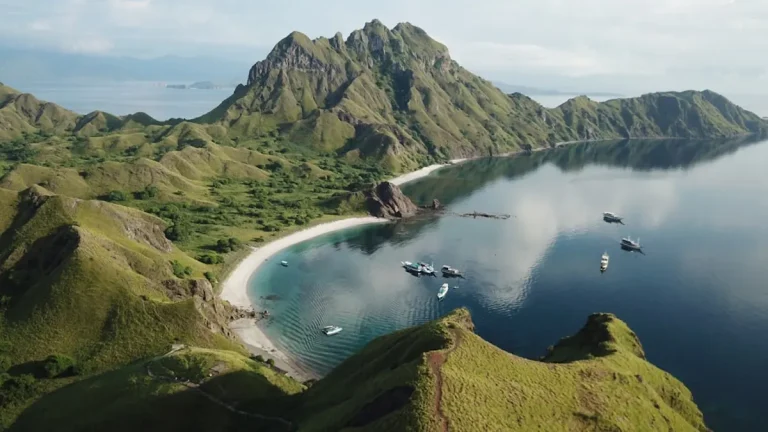
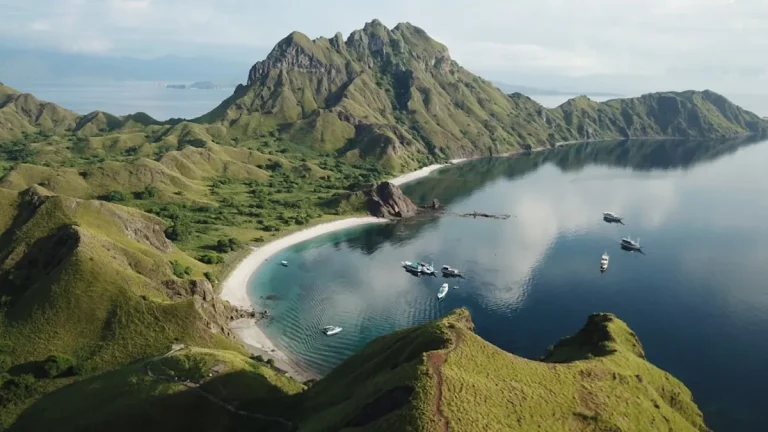
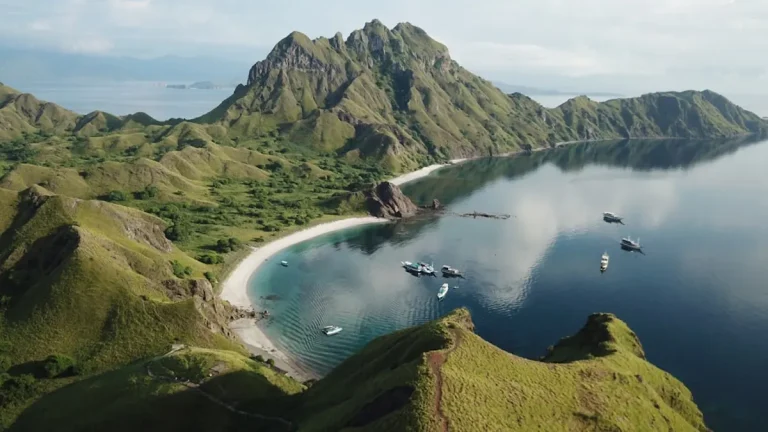
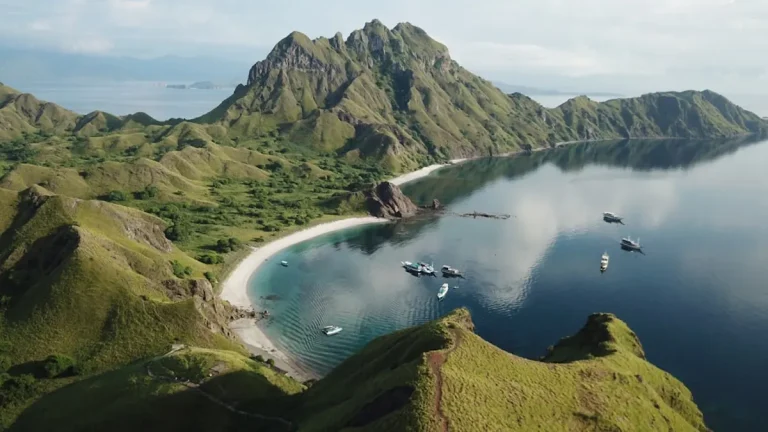
  • hiking Padar Island for sunrise

    Hiking Padar Island for sunrise offers a unique experience with panoramic views of the Komodo National Park. The trek is moderately challenging and rewards hikers with striking vistas.

    • Best time: Early morning for sunrise.
    • Difficulty: Moderate, 45-minute hike.
    • Entrance fee: Approximately IDR 150,000 (around $10).

    Introduction to Padar Island

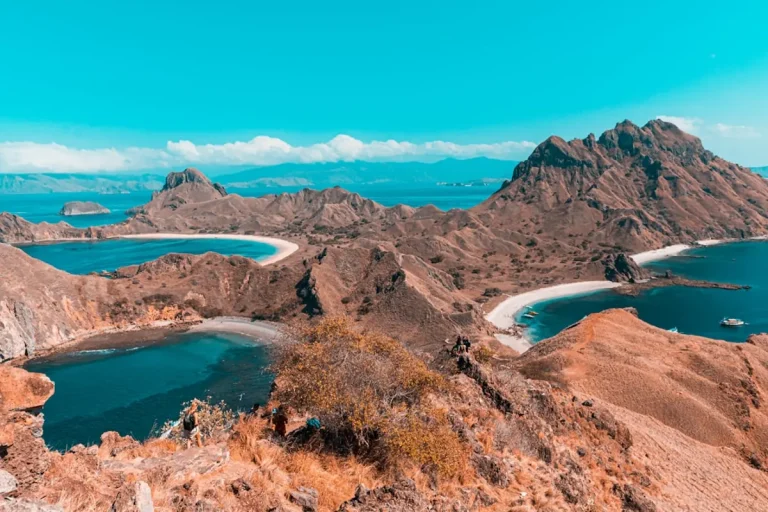
    Padar Island, part of the Komodo National Park, is renowned for its staggeringly beautiful landscapes and diverse ecosystems. The island features rugged hills, striking beaches, and vibrant coral reefs. While it is less populated than its neighbors, its natural beauty makes it a must-visit destination for hikers and photographers alike.

    Getting to Padar Island

    Traveling to Padar Island typically begins in Labuan Bajo, the main gateway to Komodo National Park. Here’s how to reach this iconic destination:

    • Boat Transfers: Most visitors take a boat from Labuan Bajo. Various operators offer day trips or overnight liveaboard options. Prices for boat trips can range from IDR 500,000 to IDR 2,000,000 ($35 to $140) depending on the duration and inclusions.
    • Duration: The boat ride to Padar Island generally takes about 1.5 to 2 hours.
    • Best Season: The dry season (April to December) is ideal for hiking, offering clear skies and moderate temperatures.

    Preparation for the Hike

    Before embarking on the sunrise hike, proper preparation is essential:

    • Fitness Level: The hike is moderate, taking about 45 minutes to 1 hour to reach the viewpoint, depending on your pace. Regular exercise and a good level of fitness are beneficial.
    • Gear: Wear comfortable, breathable clothing and sturdy hiking shoes. A hat, sunglasses, and sunscreen are recommended for protection against the sun.
    • Water and Snacks: Carry enough water to stay hydrated and light snacks for energy.

    The Hike: What to Expect

    The hike to the viewpoint on Padar Island is a rewarding journey that begins in the dark, allowing hikers to witness the sky changing colors as the sun rises.

    Trail Overview

    The trail starts from the beach near the boat landing area. Here’s what you can expect:

    • Elevation Gain: The hike involves a steep ascent with an elevation gain of approximately 300 meters (about 984 feet).
    • Trail Conditions: The path is well-marked but may be rocky and uneven in places. Exercise caution, especially in low-light conditions.
    • Scenic Views: As you climb, you’ll encounter sweeping views of the surrounding islands, turquoise waters, and unique landscapes. The panorama at the summit is particularly rewarding.

    Sunrise at the Summit

    Reaching the summit just in time for sunrise is a highlight of the experience. Here’s what to look forward to:

    • Colorful Skies: Expect vibrant hues of orange, pink, and purple as the sun emerges over the horizon.
    • Photo Opportunities: Capture striking photographs of the landscape, including the iconic three-colored beaches of Padar Island.
    • Wildlife: Keep an eye out for local wildlife, including various bird species that inhabit the island.

    After the Hike

    Once you descend from Padar Island, there are several options to enhance your experience:

    • Snorkeling: Many boat tours include snorkeling stops at nearby reefs, where you can observe vibrant marine life.
    • Explore Other Islands: Consider visiting Komodo Island or Rinca Island to see Komodo dragons in their natural habitat.
    • Relaxation: After an active morning, unwind on one of Padar Island’s beaches, enjoying the serene atmosphere.

    Practical Information

    Here are some essential details to keep in mind when planning your hike to Padar Island:

    • Entrance Fee: As of 2023, the entrance fee to Padar Island is approximately IDR 150,000 (around $10) per person. This fee contributes to park conservation efforts.
    • Guided Tours: While the hike can be done independently, joining a guided tour can provide additional insights and enhance your experience.
    • Safety Tips: Always inform someone about your plans, keep a charged phone for emergencies, and be aware of your surroundings.

    Why Padar Island’s Sunrise Hike is a Must-Do

    Embarking on the hike up Padar Island for sunrise reveals a world bathed in golden hues, with panoramic views that reward every step. Even for beginners, the trail is manageable, and the payoff at the top is breathtaking. The unique topography with its contrasting white, pink, and black sand beaches is a visual feast that sets Padar apart within the Komodo National Park.

    To find the best travel itineraries, pricing, and seasonal highlights, explore komodo Tour Operator Pricing & Cost Guide. Whether you’re interested in luxury liveaboard adventures or more intimate diving trips, we offer tailored experiences throughout the stunning Indonesian archipelagos. For further planning resources, check Komodo Tour Operator or Komodo Tour Operator.

  • top stops in Komodo National Park

    Komodo National Park is a prime destination for adventure seekers. The best islands to visit include:

    – Komodo Island for its famous dragons
    – Padar Island for panoramic views
    – Rinca Island for diverse wildlife

    Overview of Komodo National Park

    Located in the lesser Sunda Islands of Indonesia, Komodo National Park spans over 1,800 square kilometers. Established in 1980 to protect the endangered Komodo dragon, the park is now a UNESCO World Heritage Site. It includes several islands, each with unique landscapes and attractions, making it a must-visit for travelers.

    Best Islands to Visit in Komodo

    When planning your trip, consider these top islands in Komodo National Park:

    1. Komodo Island

    Komodo Island is home to the world-famous Komodo dragons, the largest lizards on Earth. Visitors can engage in guided treks to observe these creatures in their natural habitat. The island also offers diverse ecosystems with various flora and fauna.

    • Entrance Fee: Approximately IDR 150,000 ($10)
    • Best Time to Visit: April to December
    • Guided Trek Duration: 1-3 hours

    2. Rinca Island

    Rinca Island is another location for spotting Komodo dragons, along with other wildlife such as wild buffalo and monkeys. The island offers several trekking routes, providing visitors with opportunities to explore its unique ecosystems.

    • Entrance Fee: Approximately IDR 150,000 ($10)
    • Best Time to Visit: April to December
    • Trekking Duration: 1-3 hours

    3. Padar Island

    Famous for its panoramic views, Padar Island features a rugged landscape with three distinct beaches. The hike to the viewpoint is popular among visitors, offering sweeping vistas of the surrounding islands and turquoise waters.

    • Entrance Fee: Approximately IDR 150,000 ($10)
    • Best Time to Visit: April to December
    • Hiking Duration: 1-2 hours

    4. Kanawa Island

    Kanawa Island is known for its pristine beaches and vibrant coral reefs. It is an excellent spot for snorkeling and relaxing on the beach. The calm waters make it suitable for both beginners and experienced divers.

    • Entrance Fee: Free (some activities may incur costs)
    • Best Time to Visit: April to December
    • Snorkeling Equipment Rental: Approximately IDR 100,000 ($7)

    5. Seraya Island

    Seraya Island offers a tranquil environment with white sandy beaches and crystal-clear waters. It is ideal for those seeking relaxation, as well as for snorkeling and diving enthusiasts looking to explore underwater life.

    • Entrance Fee: Free (some activities may incur costs)
    • Best Time to Visit: April to December
    • Diving Costs: Approximately IDR 500,000 ($35) for a guided dive

    Activities and Experiences

    Aside from island hopping, Komodo National Park offers various activities tailored to different adventure levels:

    • Diving and Snorkeling: The park is known for its rich marine biodiversity, making it a top destination for divers. Sites like Batu Bolong and Manta Point are popular for encountering Manta rays and vibrant coral reefs.
    • Hiking: Many islands feature trails that vary in difficulty, allowing visitors to explore the natural beauty and wildlife of the park.
    • Wildlife Watching: Besides Komodo dragons, you can spot diverse bird species and marine life, including dolphins and turtles, throughout the park.

    Getting There

    The primary gateway to Komodo National Park is Labuan Bajo, a town on Flores Island. Regular flights operate from Bali to Labuan Bajo, with travel times averaging 1.5 hours. From Labuan Bajo, several options are available to reach the park:

    • Boat Tours: Various operators offer day trips or liveaboard tours, allowing visitors to explore multiple islands.
    • Chartered Boats: For a more personalized experience, chartering a private boat is an option for families or groups.

    Accommodations

    Labuan Bajo offers a range of accommodations, from budget hostels to luxury resorts. Most tours include meals and lodging on board, providing a unique way to experience the park. Options include:

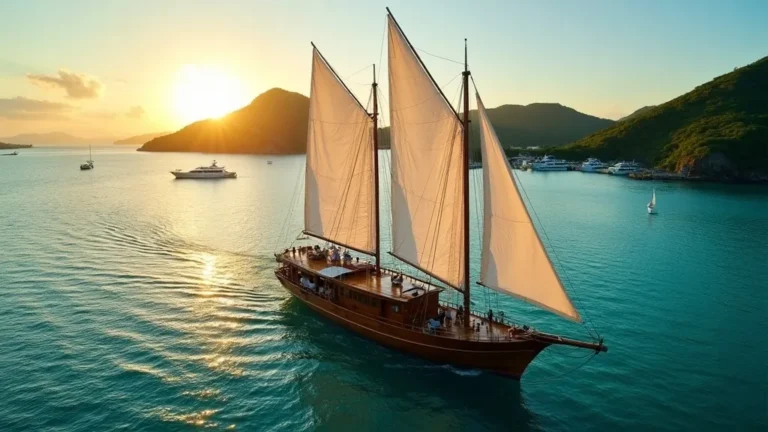
    • Luxury Liveaboards: These vessels typically offer comfortable cabins, gourmet meals, and guided excursions.
    • Budget Boats: For a more economical option, budget boats provide basic amenities and shared accommodations.

    Travel Tips

    To enhance your experience in Komodo National Park, consider these travel tips:

    • Respect Wildlife: Maintain a safe distance from Komodo dragons and other wildlife. Follow your guide’s instructions for safety.
    • Pack Accordingly: Bring sunscreen, hats, and comfortable clothing for hiking. Snorkeling gear may be available for rent but consider bringing your own for better fit and comfort.
    • Stay Hydrated: The tropical climate can be quite hot, so carry water bottles during excursions.

    Essential Planning for Visiting Komodo National Park

    Embarking on a journey to Komodo National Park promises unforgettable experiences. Start your day with a sunrise trek on Padar Island, where you’ll find breathtaking views of the tri-colored beaches. For a close-up encounter with the famous Komodo dragons, head to Rinca Island, which offers guided tours that bring you near these incredible creatures while ensuring your safety. Detailed travel itineraries and pricing are available when you explore the options.

    Prepare for your adventure by checking out the komodo Tour Operator Pricing & Cost Guide or check availability to secure your spot. These resources will help you navigate the logistics, ensuring a seamless and memorable visit to this unique destination.

  • which tour style fits different travelers

    Choosing between a Komodo liveaboard and a day trip depends on your travel style and preferences. Here are key considerations:
    • Liveaboards provide extended experiences, ideal for diving enthusiasts.
    • Day trips offer a quicker, budget-friendly option for travelers with limited time.
    • Both options showcase the rich biodiversity of Komodo National Park.

    Understanding Your Travel Style

    When planning a trip to Komodo National Park and its surrounding areas, understanding your travel style is crucial. Different travelers have unique preferences, which can significantly affect their experience. In this guide, we’ll compare Komodo liveaboards and day trips, helping you find the best option for your adventure.

    Komodo Liveaboard: An In-Depth Experience

    A Komodo liveaboard offers a unique opportunity to settle in in the marine and terrestrial beauty of Komodo National Park over several days. Typically, these trips last from three to seven days, allowing travelers to explore remote islands, dive at world-renowned sites, and enjoy activities like snorkeling and hiking.

    Highlights of Liveaboard Trips

    • Extended Duration: Liveaboards allow you to spend more time in the park, exploring multiple dive sites and islands.
    • Intimate Experience: Smaller groups provide a more personalized adventure and the chance to form connections with fellow travelers.
    • Comprehensive Itineraries: You can visit various islands, including Rinca and Padar, and experience daytime and nighttime activities.

    Who Should Choose a Liveaboard?

    Liveaboard trips are ideal for:

    • Diving Enthusiasts: If diving is a priority, a liveaboard provides access to premier dive sites like Batu Bolong and Manta Point.
    • Adventure Seekers: Those looking to explore off-the-beaten-path locations will appreciate the flexibility of a liveaboard experience.
    • Travelers with Time: If you can dedicate several days to your adventure, a liveaboard maximizes your experience in the region.

    Day Trips: Quick but Impactful

    For travelers with limited time or tighter budgets, day trips present a viable alternative. These excursions typically last from 7 AM to 5 PM and cover popular spots within the park.

    Highlights of Day Trips

    • Cost-Effective: Day trips are generally more affordable, with prices ranging from $70 to $150 per person, including meals and snorkeling gear.
    • Time-Saving: Ideal for those short on time, day trips allow you to experience the beauty of Komodo without the commitment of a multi-day trip.
    • Accessibility: You can easily join a day trip from Labuan Bajo, making it a convenient option for travelers.

    Who Should Choose a Day Trip?

    Day trips are suitable for:

    • Casual Travelers: Those who prefer a relaxed pace and want to see highlights without extensive planning.
    • Budget-Conscious Adventurers: If you want to experience Komodo without the higher costs associated with liveaboards, day trips are a better choice.
    • Limited Time Visitors: Perfect for travelers who are visiting Bali or Flores and want to add a quick adventure to their itinerary.

    Comparative Summary: Liveaboard vs. Day Trip

    To help you make an informed decision, here’s a side-by-side comparison of the two styles:

    Criteria Liveaboard Day Trip
    Duration 3-7 days 1 day
    Price Range $300 – $1,500 per person $70 – $150 per person
    Ideal For Divers, adventure seekers, those with time Casual travelers, budget-conscious, limited time visitors
    Number of Destinations Multiple islands and dive sites Selected highlights
    Group Size Smaller, intimate Larger, variable

    Seasonal Considerations

    The best time to visit Komodo National Park is during the dry season, which runs from April to December. During this period, the weather is generally favorable for both liveaboards and day trips. However, keep in mind the following:

    • Diving Conditions: Visibility is typically better from April to October, making these months ideal for divers.
    • Wildlife Spotting: Manta rays are more commonly seen from December to March, while the famous Komodo dragons can be spotted year-round.
    • Peak Season: June to August is peak tourist season, so expect more visitors during this time.

    Choosing Between Komodo Liveaboard and Day Trip

    If you’re an avid diver or adventure seeker with ample time, a Komodo liveaboard offers an immersive experience, allowing for extended exploration of the stunning marine life and landscapes. On the other hand, a day trip is a fantastic choice for those with limited time or budget, providing a focused yet enriching glimpse of Komodo National Park’s natural beauty.

    For detailed itineraries and pricing, visit our komodo Tour Operator Pricing & Cost Guide guide. Ready to plan? Check out explore the options or book Komodo Tour Operator | Komodotouroperator.

  • comparison of shared and private tours

    When choosing between a Komodo open trip and a private trip, both options offer unique advantages for travelers.

    • Open trips are cost-effective and provide opportunities to meet fellow travelers.
    • Private trips offer personalized itineraries and exclusive experiences.
    • Both options explore the natural beauty of Komodo National Park.

    Understanding Komodo Open Trips

    Open trips, also known as shared tours, are designed for groups of travelers who want to explore Komodo National Park together. These tours typically accommodate multiple guests on a single vessel, allowing for a social atmosphere while sharing the experience with like-minded adventurers.

    Cost Effectiveness

    One of the primary advantages of open trips is their affordability. Prices for open trips generally range from $150 to $400 per person for a multi-day experience, depending on the vessel type and inclusions. This option is ideal for budget-conscious travelers who still want to experience the beauty of Komodo Island and its surroundings.

    Social Interaction

    Traveling with others can enhance the adventure. Open trips provide opportunities to meet fellow travelers from around the globe, fostering new friendships and shared memories. Group activities, such as snorkeling and hiking, can be more enjoyable when experienced with others.

    Scheduled Itineraries

    Open trips usually follow fixed itineraries, which means travelers get to experience popular highlights like Padar Island, Komodo Island, and the famous Pink Beach. These itineraries are crafted to maximize the experience within a limited time frame, ensuring that travelers see the best of what Komodo has to offer.

    Exploring Private Trips

    Private trips are tailored for individuals, families, or groups seeking a personalized experience in Komodo National Park. This option allows for flexibility in planning and can be customized based on the specific interests of the travelers.

    Personalized Itineraries

    One of the standout features of a private trip is the ability to create a bespoke itinerary. Whether you want to focus on diving, hiking, or simply relaxing on secluded beaches, private tours can be adapted to suit your preferences. Prices for private trips can range from $500 to over $2000, depending on the vessel, duration, and level of service.

    Exclusivity and Comfort

    With fewer guests on board, private trips offer a more intimate experience. You can enjoy a quieter atmosphere, personalized service, and the ability to spend more time at locations that interest you. This exclusivity can significantly enhance the overall experience, making it a great choice for couples or families.

    Flexible Scheduling

    Private tours also offer greater flexibility in scheduling. You can choose departure dates, the pace of the trip, and even meal preferences. This level of customization enables you to create a unique experience that aligns with your travel goals.

    Key Comparisons: Komodo Open Trip vs. Private Trip

    To aid your decision-making process, here is a detailed comparison of open trips and private trips to Komodo National Park.

    Cost

    • Open Trip: $150 – $400 per person
    • Private Trip: $500 – $2000+ (depending on group size and vessel)

    Group Size

    • Open Trip: Usually accommodates 10-20 guests
    • Private Trip: Limited to your selected group size (2-10+ guests)

    Itinerary Flexibility

    • Open Trip: Fixed itineraries with scheduled activities
    • Private Trip: Custom itineraries based on your preferences

    Social Interaction

    • Open Trip: Opportunity to meet and connect with fellow travelers
    • Private Trip: More intimate experience with just your travel companions

    Service Level

    • Open Trip: Standard service with group activities
    • Private Trip: Personalized service catering to your group’s needs

    Choosing Between Open and Private Tours for Komodo National Park

    When planning your visit to Komodo National Park, consider your priorities—whether it’s meeting new people on a budget-friendly open trip or enjoying a customized experience with a private tour. Open trips offer a cost-effective way to explore the park alongside other travelers, while private tours provide the flexibility and comfort of a personalized itinerary.

    Both options present a chance to immerse yourself in the stunning landscapes and unique wildlife of the park. Dive into specifics like pricing and seasonal highlights on our booking details page. For those ready to make arrangements, see current rates or compare packages to find the best fit for your adventure style and budget.

  • choosing trip length by budget and interests

    Determining how long to spend in Komodo depends on your budget and interests. Typically, trips range from 3 to 7 days, allowing for varied experiences like diving, hiking, and exploring local culture.

    • 3-day trips for budget travelers.
    • 5-day trips for a balanced experience.
    • 7-day trips for comprehensive exploration.

    Choosing the ideal trip length for your visit to Komodo National Park involves balancing your interests and budget. Whether you are an avid diver, a nature enthusiast, or a culture seeker, the duration of your trip can significantly affect your overall experience. This guide will help you navigate various trip lengths based on your preferences and financial considerations, ensuring you maximize your time in this unique part of Indonesia.

    Understanding Your Interests

    Before deciding on the length of your stay, reflect on what you wish to accomplish during your time in Komodo. Here are some common interests and the recommended duration for each:

    • Diving and Snorkeling: If you are a diving enthusiast, you might want to consider a trip of at least 5 days. This duration allows for multiple dives at various sites like Manta Point and Batu Bolong, renowned for their rich marine biodiversity.
    • Hiking and Wildlife Watching: For those interested in exploring the land and spotting Komodo dragons, a 3-day trip may suffice. However, a 5-day itinerary can enhance your experience, allowing you to hike in different areas and witness the diverse flora and fauna of the park.
    • Cultural Exploration: If you are keen on engaging with local communities and experiencing the culture, a 7-day trip is ideal. This length allows for visits to nearby islands like Flores and cultural interactions with local villages.

    Budget Considerations

    Your budget will also play a crucial role in determining how long to spend in Komodo. Here’s a breakdown of potential costs based on trip duration:

    3-Day Trip

    A quick getaway to Komodo can be done within a budget of approximately $300 to $600, depending on your choice of accommodation and activities. This trip typically includes:

    • Accommodation: Budget hotels or hostels ($20-$50 per night)
    • Daily excursions: Day trips for diving or island hopping ($100-$200)
    • Meals: Local dining options ($10-$30 per day)

    This option is great for travelers with limited time who want a taste of the Komodo experience without overspending.

    5-Day Trip

    A 5-day itinerary typically costs between $600 and $1,200. This allows for a more immersive experience and includes:

    • Accommodation: Mid-range hotels or liveaboards ($50-$150 per night)
    • Activities: Additional dives and guided tours ($200-$400)
    • Meals: More varied dining options ($15-$50 per day)

    Opting for this duration means you can balance your time between relaxation and adventure, exploring both land and sea.

    7-Day Trip

    A week-long journey can range from $1,200 to $2,500, offering an extensive exploration of the region. This budget generally covers:

    • Accommodation: Luxury liveaboards or upscale hotels ($150-$300 per night)
    • Activities: Comprehensive diving packages and cultural tours ($400-$800)
    • Meals: Fine dining and local cuisine ($30-$70 per day)

    This trip length provides ample opportunities for adventure, relaxation, and cultural immersion, making it suitable for those willing to invest more in their experience.

    Seasonal Highlights

    When planning your trip, also consider the season, as it can affect both your budget and the activities available. The best times to visit Komodo are during the dry season, which runs from April to December. Here’s how the seasons impact your trip:

    • April to June: Ideal for diving, with calm seas and clear visibility. Prices may be slightly lower as this period is just starting the peak season.
    • July to August: Peak tourist season with the highest prices. Expect more crowded dive sites and excursions, but the wildlife, including manta rays, is abundant.
    • September to December: Excellent for both diving and wildlife watching. Prices begin to drop after August, and the weather remains favorable.

    Choosing the Right Vessel

    Your choice of vessel can also impact your trip length and overall experience. Here are some options available in Komodo:

    • Luxury Liveaboards: These vessels offer high-end amenities and extended itineraries (5-7 days). Ideal for those seeking comfort and extended diving opportunities.
    • Mid-range Boats: Suitable for 3-5 day trips, providing a balance of comfort and affordability. Great for mixed groups, including families and couples.
    • Budget Boats: Perfect for short trips (2-3 days) with basic amenities. Best for budget travelers or those looking for a quick adventure.

    Sample Itineraries

    Here are some sample itineraries based on different trip lengths:

    3-Day Itinerary

    • Day 1: Arrival in Labuan Bajo, transfer to your boat, and a sunset cruise.
    • Day 2: Diving at Manta Point and visiting Komodo Island to see the dragons.
    • Day 3: Snorkeling at Pink Beach and returning to Labuan Bajo.

    5-Day Itinerary

    • Days 1-2: Same as the 3-day itinerary with an extra day of diving at other sites.
    • Day 3: Explore Rinca Island and its wildlife.
    • Day 4: Visit Padar Island for hiking and beach time.
    • Day 5: Cultural tour in Labuan Bajo before departure.

    7-Day Itinerary

    • Days 1-3: Same as the 5-day itinerary with additional island visits.
    • Day 4: Cultural experiences in local villages.
    • Day 5: Visit the islands of Flores and explore traditional markets.
    • Days 6-7: Relaxing in local resorts and additional diving or snorkeling options.

    Ultimately, how long to spend in Komodo will depend on your personal preferences and budget. Whether you choose a short 3-day trip or an extensive 7-day adventure, you can create an singular experience in this remarkable destination. For detailed information on pricing and itineraries, see current rates and start planning your journey today!

    Planning specifics? See read the full guide or book Komodo Tour Operator | Komodotouroperator.

  • how to stay safe around Komodo dragons

    To stay safe around Komodo dragons, follow these essential tips:

    • Always stay with a guide when in the presence of Komodo dragons.
    • Maintain a safe distance of at least 10 meters (33 feet) from the dragons.
    • Do not provoke or feed the Komodo dragons, as this can lead to aggressive behavior.

    Komodo National Park, located in Indonesia, is home to the world’s largest lizard, the Komodo dragon (Varanus komodoensis). While these creatures attract many visitors due to their unique characteristics and ecological importance, understanding how to stay safe around them is crucial. This post provides detailed komodo dragon safety tips to ensure a safe and enjoyable experience in this remarkable environment.

    Understanding Komodo Dragons

    Komodo dragons can weigh up to 150 kg (330 lbs) and reach lengths of up to 3 meters (10 feet). They are apex predators and have a keen sense of smell, which they use to locate carrion from several kilometers away. Their venomous bite contains bacteria that can cause severe infections, making them dangerous if provoked. Knowing their behavior and habitat can help mitigate risks.

    Guidelines for Safe Interaction

    Following specific guidelines can help ensure your safety while observing Komodo dragons in their natural habitat.

    Always Visit with a Licensed Guide

    When exploring Komodo National Park, it’s mandatory to be accompanied by a licensed guide. These professionals are trained to handle encounters with Komodo dragons and know the best practices for keeping visitors safe. Guides can help you:

    • Navigate the terrain safely.
    • Understand dragon behavior and habitat.
    • Provide insights into the ecology of the area.

    Keep a Safe Distance

    To minimize the risk of an encounter with a Komodo dragon, maintain a safe distance. The recommended distance is at least 10 meters (33 feet). This buffer zone allows you to observe these magnificent creatures without triggering their territorial instincts. If a dragon approaches, calmly back away while continuing to face the animal.

    Do Not Feed or Provoke

    Feeding a Komodo dragon or provoking it can lead to aggressive behavior. These lizards are opportunistic feeders, and offering food may encourage them to associate humans with food. This can create dangerous situations for future visitors. Always respect their space and observe them from a distance.

    Timing Your Visit

    Understanding the seasons when visiting Komodo National Park is essential. The park can be accessed year-round, but certain times are more favorable for wildlife viewing. The dry season, from April to December, offers better visibility and access to the islands. Conversely, the wet season, from January to March, can lead to rough seas and limited access to some areas.

    Recommended Safety Gear

    While exploring the park, wearing appropriate clothing and gear can enhance your safety. Consider these recommendations:

    • Wear long pants and sturdy boots to protect against bites and scratches.
    • Bring a first aid kit that includes antiseptic wipes and bandages.
    • Carry a whistle or other signaling device to alert your guide in case of emergencies.

    What to Do in an Emergency

    In the unlikely event of an encounter with a Komodo dragon that escalates into aggression, follow these steps:

    • Stay calm and avoid sudden movements.
    • Back away slowly while keeping your eyes on the dragon.
    • If a dragon charges, use your guide’s knowledge and instructions to retreat safely.
    • Call for help immediately if you or someone else is injured.

    Legal Considerations

    Komodo dragons are a protected species under Indonesian law. It is illegal to harm or disturb them intentionally. Visitors should always comply with local regulations, including respecting the park’s boundaries and following the guidelines provided by their guides. Understanding these legal implications is vital for a responsible and safe visit.

    Additional Tips for a Safe Experience

    Alongside the above guidelines, consider the following tips to enhance your safety while exploring Komodo National Park:

    • Travel in groups when possible, as larger groups can deter aggressive behavior from wildlife.
    • Stay aware of your surroundings; other wildlife may also pose risks.
    • Inform your guide of any concerns or questions regarding safety and wildlife.

    Essential Safety Tips for Visiting Komodo National Park

    When visiting Komodo National Park, maintain a safe distance from the dragons at all times, ideally 2-3 meters. Always be accompanied by a local guide who understands the terrain and dragon behavior. Avoid wearing bright clothing or carrying food, as these can attract the dragons. For detailed travel itineraries and vessel options, check out our komodo Tour Operator Pricing & Cost Guide guide.

    If you’re planning your trip, make sure to see current rates or read the full guide for comprehensive information on costs and preparation tips.

  • why travelers choose Komodo

    Yes, Komodo Island is worth visiting for its unique wildlife, vibrant marine life, and diverse landscapes. Travelers often choose Komodo for the following reasons:

    • Home to the famous Komodo dragons, the world’s largest lizard.
    • World-class diving and snorkeling sites with rich coral reefs.
    • Unique cultural experiences in nearby Flores and Labuan Bajo.

    Komodo National Park, located at the centre of Indonesia, is a top destination for adventure seekers and nature enthusiasts alike. The park is renowned for its unique biodiversity, including the Komodo dragon, the world’s largest living lizard. As travelers increasingly seek authentic experiences, the allure of Komodo has grown significantly, making it a must-visit location.

    Wildlife Encounters

    The primary draw for many travelers to Komodo Island is the opportunity to observe the Komodo dragon in its natural habitat. These prehistoric reptiles can grow up to 10 feet in length and weigh over 150 pounds. Visitors can join guided treks led by park rangers, ensuring a safe and informative experience. Each year, thousands of tourists begin these treks, making the Komodo dragon a significant attraction.

    Marine Biodiversity

    In addition to its terrestrial wildlife, Komodo National Park is home to some of the world’s most vibrant marine ecosystems. The park offers over 1,000 species of fish, 260 species of coral, and numerous species of sea turtles. Popular diving spots such as Batu Bolong and Manta Point attract divers from around the globe. The water temperatures range from 21°C to 29°C (70°F to 84°F) throughout the year, providing excellent conditions for underwater exploration.

    Adventure and Activities

    For those seeking adventure, Komodo offers a range of activities that cater to different interests. Hiking, trekking, diving, and snorkeling are just a few of the options available. The park’s rugged terrain features striking hills, pristine beaches, and sweeping viewpoints. The best time for outdoor activities is from April to December, which is the dry season, with peak tourist season occurring from July to August.

    Unique Itineraries

    Komodo Tour Operator specializes in curating personalized itineraries that cater to various traveler preferences. Whether you’re interested in a luxury liveaboard experience or an intimate diving trip, there are options to suit every budget. Prices for liveaboard packages typically range from $500 to $2,500 per person, depending on the duration and level of luxury. Day trips from Labuan Bajo also offer affordable alternatives, starting at around $50 per person.

    Cultural Experiences

    Visiting Komodo Island also provides opportunities to engage with the local culture. The nearby island of Flores offers rich traditions and beautiful landscapes, making it a worthwhile addition to your itinerary. Travelers can explore traditional villages, sample local cuisine, and witness cultural performances, enhancing their overall experience in the region.

    Accessibility and Travel Options

    Labuan Bajo is the primary gateway to Komodo National Park. Daily flights operate from Bali to Labuan Bajo, making it accessible for international travelers. Once in Labuan Bajo, various transportation options are available, including speedboats and liveaboards. These vessels provide comfortable travel while allowing visitors to explore multiple islands within the national park.

    Environmental Conservation

    As tourism in Komodo continues to grow, the importance of sustainable travel practices becomes paramount. The Indonesian government and various organizations are working to protect the unique ecosystems within the national park. Visitors are encouraged to respect the environment, adhere to park regulations, and participate in conservation efforts when possible. This commitment to sustainability ensures that future generations can also experience the beauty of Komodo.

    Legal Status and Regulations

    It’s important to note that Komodo National Park is a protected area under the management of the Indonesian government. Tourists are required to pay an entrance fee, which contributes to conservation efforts. The park has implemented specific regulations to safeguard its unique wildlife and habitats, including limits on the number of visitors allowed at certain sites.

    Exploring Komodo’s Unique Wildlife and Cultural Experiences

    Travelers flock to Komodo Island not just for its famed dragons, but for a chance to dive into its rich marine biodiversity and immerse themselves in the local culture. Whether it’s snorkeling among vibrant coral reefs or hiking through lush landscapes, the experiences offered are as diverse as they are memorable. For more information on how to plan your trip to Komodo, including detailed itineraries and pricing, visit our komodo Tour Operator Pricing & Cost Guide page.

    Planning specifics? See Komodo Tour Operator or our book Komodo Tour Operator | Komodotouroperator guide.

💬