Best Time for Komodotouroperator – Insider Guide
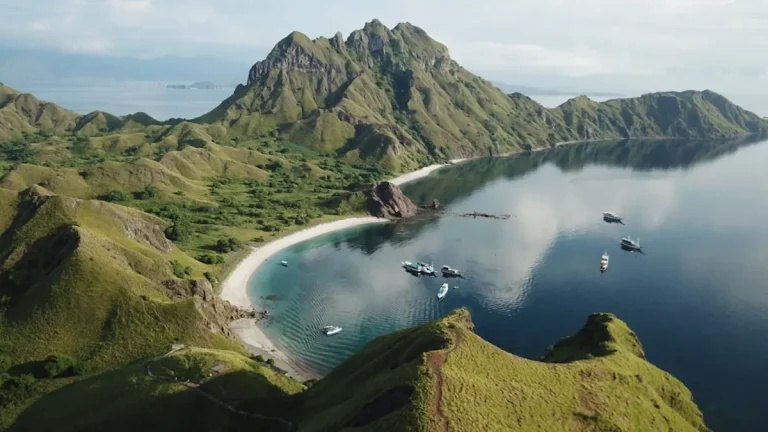
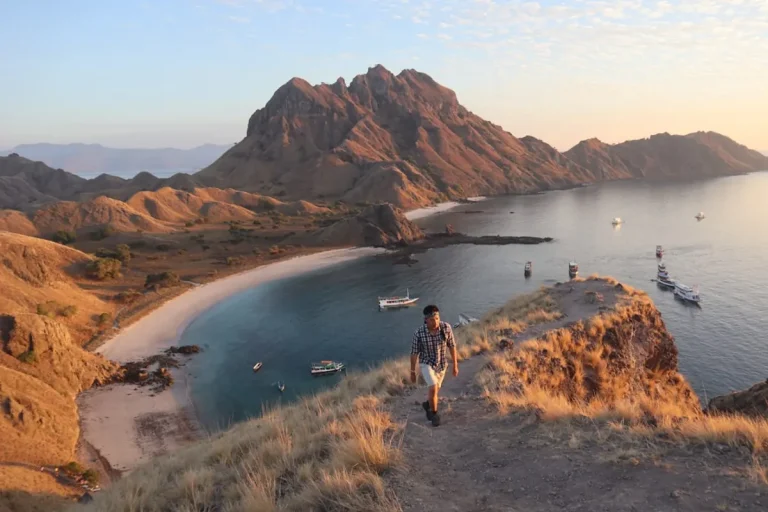
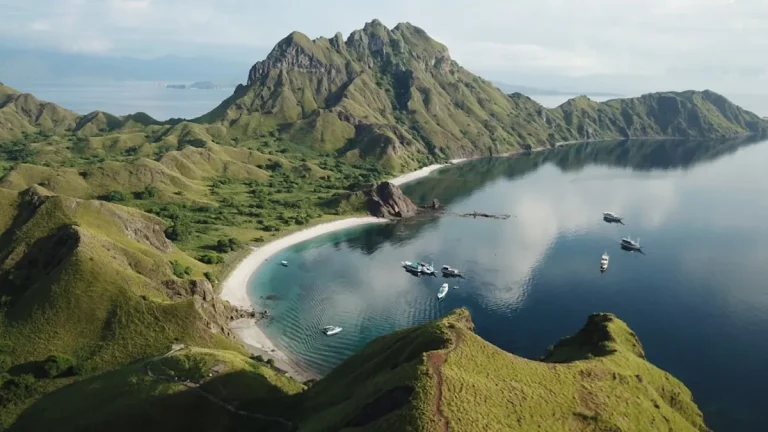
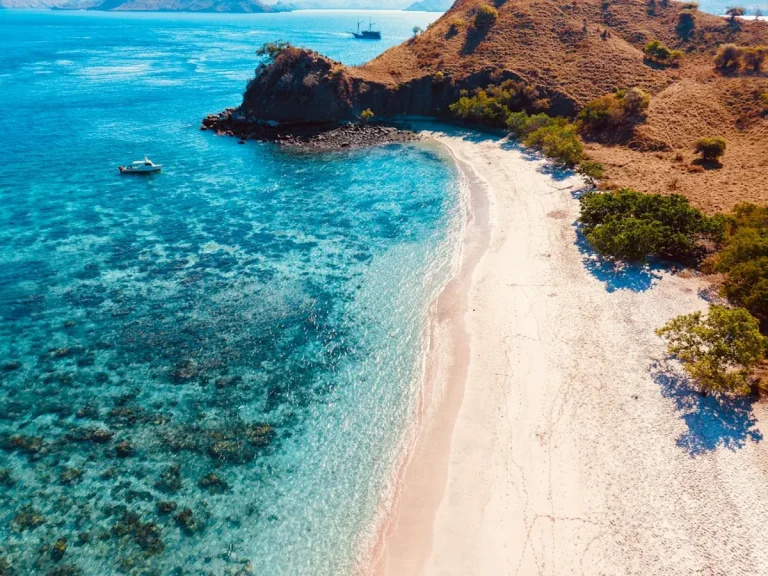
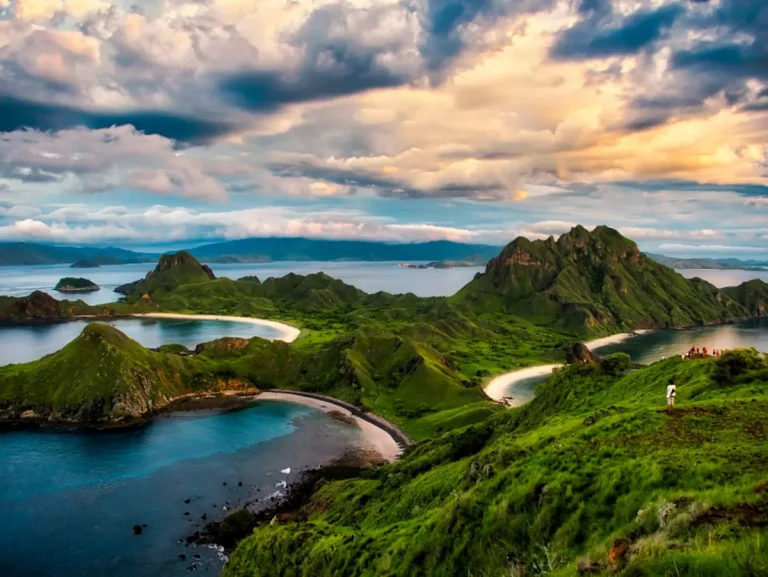
The sun casts a golden glow over Komodo National Park, where the air is filled with the scent of salt and adventure. The waters glisten, promising tales of marine wonders beneath their surface.
Understanding the Seasons: Dry vs. Wet Season in Komodo
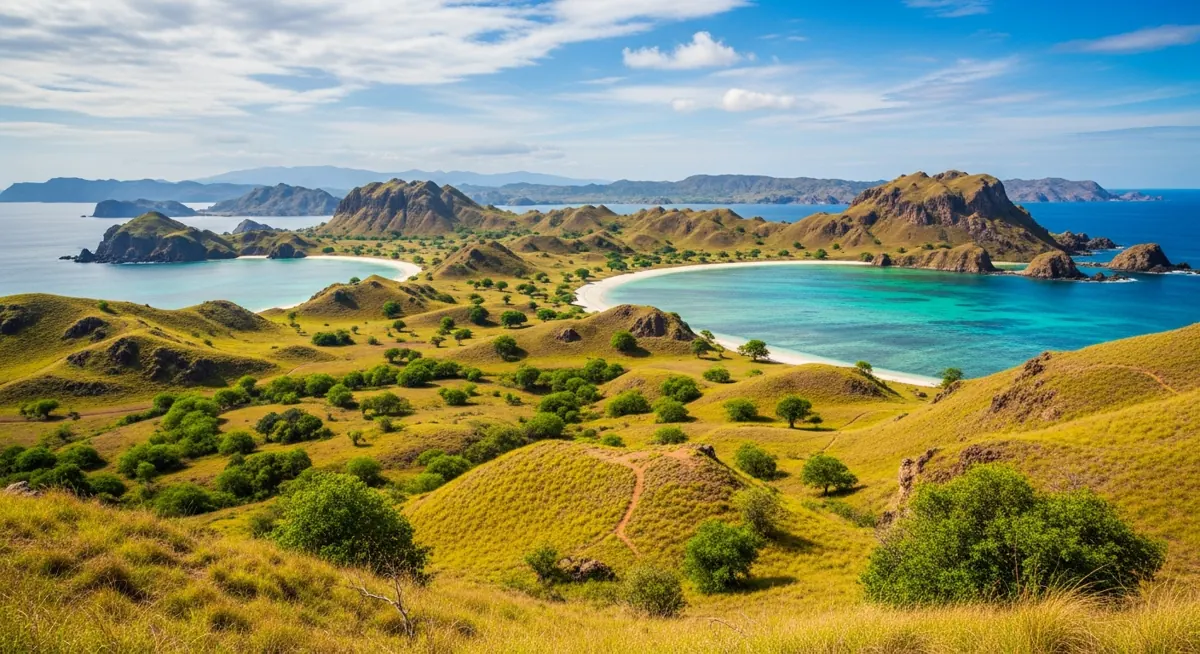
Komodo National Park, a UNESCO World Heritage site since 1991, experiences two main seasons: the dry and the wet. The dry season, from April to December, is characterized by less rainfall and more predictable weather patterns. During these months, temperatures hover around 30°C (86°F), with humidity levels being more comfortable for travelers. The park receives approximately 800,000 visitors annually, with many opting to explore during this period due to calm seas and clearer skies.
Conversely, the wet season spans from January to March, bringing tropical downpours and rougher seas. Although the landscape is lush and green, the heavy rains can disrupt travel plans. The Indonesian Meteorology, Climatology, and Geophysics Agency (BMKG) notes that February typically sees the highest rainfall, averaging 300mm. While not ideal for all activities, this season offers a quieter, more intimate experience.
Marine Life and Diving Conditions: When to Dive
Diving enthusiasts will find the period from April to November most rewarding. During these months, underwater visibility often exceeds 30 meters (98 feet), providing spectacular views of vibrant coral reefs and diverse marine life. The waters around Komodo are home to over 1,000 fish species and 260 coral species, making it a diver’s sanctuary.
The famed Manta Point, where divers can swim alongside graceful manta rays, is best visited between December and February. During this time, nutrient-rich currents attract these striking creatures in large numbers. The Professional Association of Diving Instructors (PADI) advises divers to possess advanced open water certification due to the strong currents present in the region.
Witnessing the Komodo Dragons: Best Months for Encounters
Komodo dragons, the park’s most iconic residents, are best observed from April to June or September to November. These months offer cooler temperatures, increasing the likelihood of sightings as the dragons bask in the sun. The park’s rangers, who have been monitoring these creatures since the park’s establishment in 1980, recommend early-morning excursions for optimal viewing conditions.
With an estimated population of 5,700 dragons, these prehistoric reptiles are spread across the islands of Komodo, Rinca, and Padar. Tours often include guided treks, providing insights into their behavior and conservation efforts. According to the International Union for Conservation of Nature (IUCN), the Komodo dragon is listed as vulnerable, making responsible tourism crucial for their continued survival.
Weather Patterns and Travel Tips for Monsoon Season
Traveling during the monsoon season can be challenging but not impossible. From January to March, expect afternoon showers and occasional thunderstorms. These months see average temperatures of around 28°C (82°F), with high humidity levels. It’s essential to pack waterproof gear and flexible travel plans to accommodate potential delays.
Labuan Bajo, the gateway to Komodo National Park, receives increased rainfall during this period. Despite the weather, cultural experiences thrive, offering travelers a chance to engage with local traditions and festivals. The town’s proximity to Flores, renowned for its rich culture and history, provides alternative activities when marine excursions are less feasible.
Strategizing Your Visit: Avoiding the Crowds
For those seeking a quieter experience, consider visiting during the shoulder months of April, May, September, and October. These periods offer a balance of favorable weather and reduced tourist numbers. According to the Ministry of Tourism and Creative Economy, visitor numbers peak from July to August, coinciding with European and American summer holidays.
During peak months, accommodation prices can rise by 20-30%, and popular sites may become crowded. Booking early with Komodo Tour Operator ensures access to preferred itineraries and vessels, whether opting for luxury liveaboards or intimate diving trips. Check our pricing page for detailed information on seasonal rates and availability.
Local Insights: Hidden Windows for Unique Experiences
Insiders suggest planning trips around lesser-known events and natural phenomena. For example, the annual Pasola Festival on Sumba Island, held in February and March, offers a glimpse into traditional warrior rituals. Alternatively, the Nyepi Day of Silence in Bali, typically in March, provides a unique cultural experience as the island comes to a standstill.
For those interested in marine life, the coral spawning event, occurring after full moons in October, showcases the park’s vibrant underwater ecosystem. This natural spectacle attracts marine biologists and enthusiasts from around the globe, offering a chance to witness one of nature’s wonders. Keep an eye on our blog for updates on such seasonal events.
Exploring Komodo by Sea: Liveaboard Adventures
Exploring the myriad islands of Komodo National Park via a liveaboard is a favored option for many. With vessels ranging from luxury yachts to budget-friendly boats, travelers can select an experience that suits their preferences. Most liveaboard trips last between 3 to 7 days, offering full-board accommodations and multiple daily dives at renowned sites like Cape Kri, Blue Magic, and Manta Sandy.
Liveaboard specifications can vary, with some boats accommodating up to 16 guests in shared or private cabins. The intimate nature of these trips allows for personalized dive experiences and the chance to explore remote dive sites inaccessible to day-trippers. Rates for liveaboard experiences start around $150 per day, inclusive of meals, diving excursions, and equipment rentals.
Land-Based Exploration: Trekking and Island Visits
While Komodo is celebrated for its marine attractions, land-based adventures offer their own allure. Trekking on the islands of Komodo and Rinca provides opportunities to witness the unique fauna and flora, including the endemic Komodo dragon. Guided treks, which last between 1 to 3 hours, reveal striking vistas and the chance to observe these ancient reptiles in their natural habitat.
For those interested in cultural exploration, visiting local villages on Flores Island offers insights into the traditional lifestyles of the indigenous communities. Experiences include witnessing traditional weaving techniques and participating in local culinary classes. Prices for guided treks and cultural tours typically range from $50 to $100 per person, depending on the itinerary and group size.
Comparing Dive Sites: Cape Kri vs. Blue Magic
When planning a dive itinerary with Komodo Tour Operator, deciding between sites like Cape Kri and Blue Magic can be challenging. Both offer unique underwater experiences, yet differences in marine life and conditions might sway preferences.
- Cape Kri: Known for its diversity, Cape Kri holds a world record for the highest number of fish species recorded in a single dive. Divers frequently encounter barracuda, reef sharks, and schools of trevally. With visibility often exceeding 25 meters (82 feet), this site is ideal for photographers.
- Blue Magic: Famous for its pelagic action, Blue Magic is a hotspot for manta rays and giant trevallies. The site features a submerged pinnacle where currents bring nutrient-rich waters, attracting large marine species. Advanced diving skills are recommended due to the strong currents.
Both dive sites offer singular experiences, but selecting one depends on personal interests and diving expertise. Consultation with instructors and guides helps tailor the perfect dive itinerary.
Planning Your Adventure with Komodo Tour Operator
Timing your visit to Komodo National Park can enhance your experience, offering opportunities for both exploration and relaxation. Whether diving with manta rays or trekking to spot Komodo dragons, understanding local conditions and seasonal highlights ensures a memorable journey. Ready to plan your adventure? Visit our homepage to explore our offerings and start your Indonesian escapade with Komodo Tour Operator.
For more information on planning your trip, visit Indonesia’s official tourism website or explore Wikipedia’s entry on Komodo National Park for additional insights.
Planning specifics? See full pricing guide or booking details.