- Over 1,000 species of fish
- Endangered species such as manta rays
- Unique underwater landscapes
Introduction to Komodo Marine Life
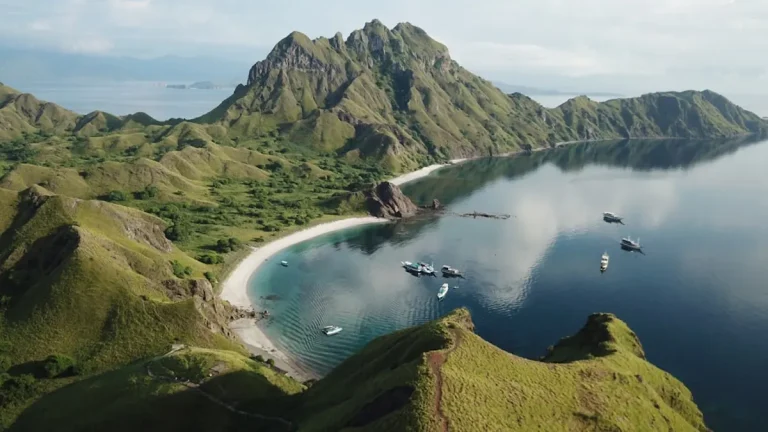
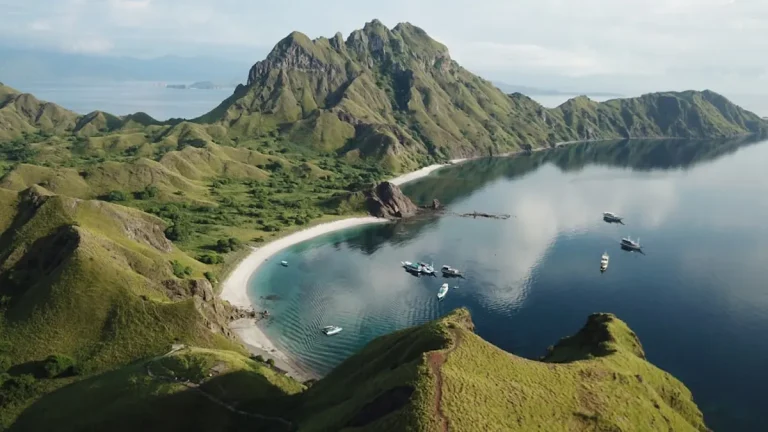
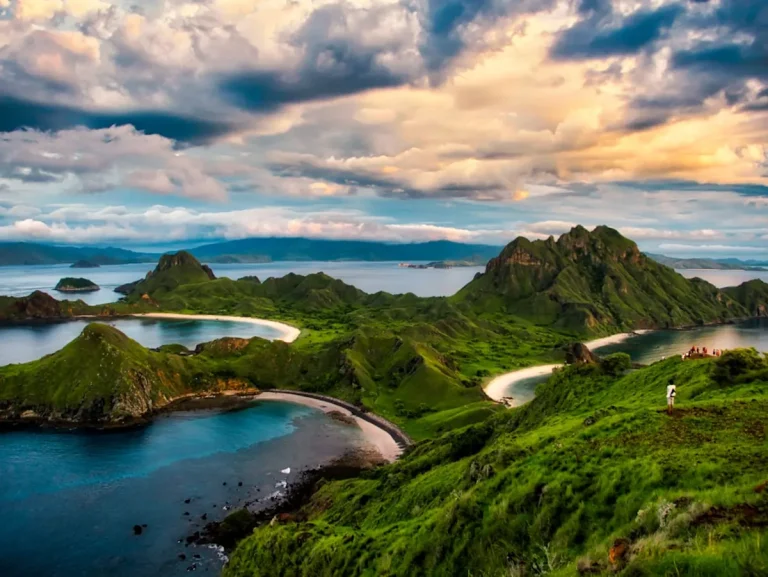
The Komodo National Park, located in Indonesia, is a UNESCO World Heritage Site known for its extensive biodiversity. It comprises more than 1,800 square kilometers of land and sea, making it a prime destination for marine enthusiasts. The park is home to various marine species, including those that are endemic to the region, which makes each dive or snorkeling excursion a unique experience.
Key Marine Species to Expect
When exploring the waters around Komodo, you can expect to encounter a wide variety of marine life. Here’s a detailed look at some of the prominent species you might see:
Coral Reefs
The coral reefs in Komodo National Park are among the most diverse in the world. Over 250 species of corals can be found here, providing habitat and shelter for numerous marine animals. These reefs are critical to the ecosystem, supporting both fish and invertebrates.
Fish Species
The waters of Komodo are teeming with marine life, boasting more than 1,000 species of fish. Notable fish you might encounter include:
- Clownfish
- Parrotfish
- Napoleon Wrasse
- Giant Trevally
- Butterflyfish
These species vary in size and color, contributing to the vibrant underwater scenery.
Mollusks and Invertebrates
Mollusks, such as octopuses and cuttlefish, are frequently observed in the waters around Komodo. The diversity of invertebrates, including sea slugs and sponges, adds to the rich mosaic of life. Look for:
- Blue-ringed octopus
- Sea stars
- Crown-of-thorns starfish
- Sea cucumbers
Sharks and Rays
The waters around Komodo are also home to several species of sharks and rays. You may spot:
- Blacktip reef sharks
- Whitetip reef sharks
- Leopard sharks
- Manta rays
Manta rays, in particular, are a highlight for many visitors. These gentle giants can often be seen gliding gracefully through the water.
Marine Mammals
While less commonly seen, marine mammals occasionally visit the area. Keep an eye out for:
- Dolphins
- Whales (seasonally)
Dolphins often travel in pods and can be spotted during boat trips, while certain whale species may migrate through the waters around Komodo at specific times of the year.
Seasonal Highlights
The best time to explore the marine life in Komodo National Park depends on the species you wish to see. Here’s a breakdown of seasonal highlights:
Best Time for Diving and Snorkeling
The dry season, which runs from April to December, is generally considered the best time for diving and snorkeling. During this period, visibility is at its peak, often reaching up to 30 meters, making it easier to spot marine life.
Marine Life Activity
– **Manta Rays**: Most commonly seen from November to April.
– **Whales**: Migratory patterns are observed from June to September.
– **Coral Spawning**: Typically occurs in September and October, providing a unique opportunity to witness this spectacular natural phenomenon.
Exploring the Best Dive Sites
To fully experience the rich marine biodiversity, visiting specific dive sites is essential. Some of the most popular dive sites in Komodo National Park include:
Castle Rock
This site is famous for its strong currents, attracting large pelagic species like sharks and barracudas.
Crystal Rock
Known for its vibrant coral gardens and diverse marine life, this site is ideal for both divers and snorkelers.
Manta Point
As the name suggests, this site is a prime location for spotting manta rays, especially during the cleaning station rituals.
Current City
A site renowned for its strong currents, it offers encounters with large schools of fish and diverse marine species.
Travel Tips for Marine Encounters
To make the most of your marine adventures in Komodo National Park, consider the following tips:
- Choose the Right Operator: Select a reputable tour operator that prioritizes safety and environmental sustainability. Check out see the details for detailed options.
- Use Eco-friendly Gear: Opt for reef-safe sunscreen and avoid single-use plastics to minimize your impact on the marine environment.
- Respect Wildlife: Keep a safe distance from all marine life and refrain from touching or disturbing the animals.
- Stay Hydrated: Drink plenty of water during your expeditions to stay energized and enjoy your adventures fully.
Legal Status and Conservation Efforts
The Komodo National Park is protected under Indonesian law, safeguarding its unique marine and terrestrial ecosystems. Conservation efforts are ongoing, focusing on sustainable tourism practices and protecting endangered species. Visitors are encouraged to follow guidelines and regulations to ensure the preservation of this remarkable habitat for future generations.
Encountering Marine Life at Komodo National Park
Komodo National Park is a haven for marine enthusiasts, where you can dive into waters teeming with vibrant coral reefs and encounter species like majestic manta rays gliding through the currents. Among the reefs, you’ll find an array of colorful fish and intriguing invertebrates, offering endless opportunities for underwater exploration and discovery. For those planning their visit, detailed guidance is available through resources such as the komodo Tour Operator Pricing & Cost Guide and our book Komodo Tour Operator | Komodotouroperator guide.